Lorri Angell, LPC-Associate, EMDR Trained, ADS
Supervised by Cristy Ragland, LPC-S, LMFT-S, RPT-S, EMDR certified
How Self-Love Nurtures Your Mind, Body, and Relationships
What do these real people all have in common?
- A woman in an abusive relationship, scared for her safety
- An exhausted young mom whose husband is consistently under-functioning at home
- A person with chronic illness after years of over-giving and being spread too thin
- A man whose partner is consistently condescending and unwilling to have healthy conflict resolution
- A woman who is afraid to address her husband’s addiction, which is impacting her negatively
- A man who gives so much to his friend in need, and she later takes him for granted and betrays him when it’s in her best interest
- A woman who supports her husband for years while he is unemployed, and he cheats, divorces her and exploits her financially
These real people all have had a pattern of trying to be “selfless”, undervaluing themselves, and as a result of this over-giving to others, much damage occurred in their relationships and/or to their mental and sometimes their physical health.
What is Self-love?
Self-love is vital for long-term physical and mental health as well as foundational for healthy relationships. Self-love involves thoughts, feelings and actions that align with caring for and valuing oneself as unconditionally worthy, seeking growth while also being accepting of and tender towards oneself regarding one’s imperfections and weaknesses in the process. To love oneself means to value oneself. The natural result of this is healthy boundaries, as one naturally seeks to protect what is valuable.
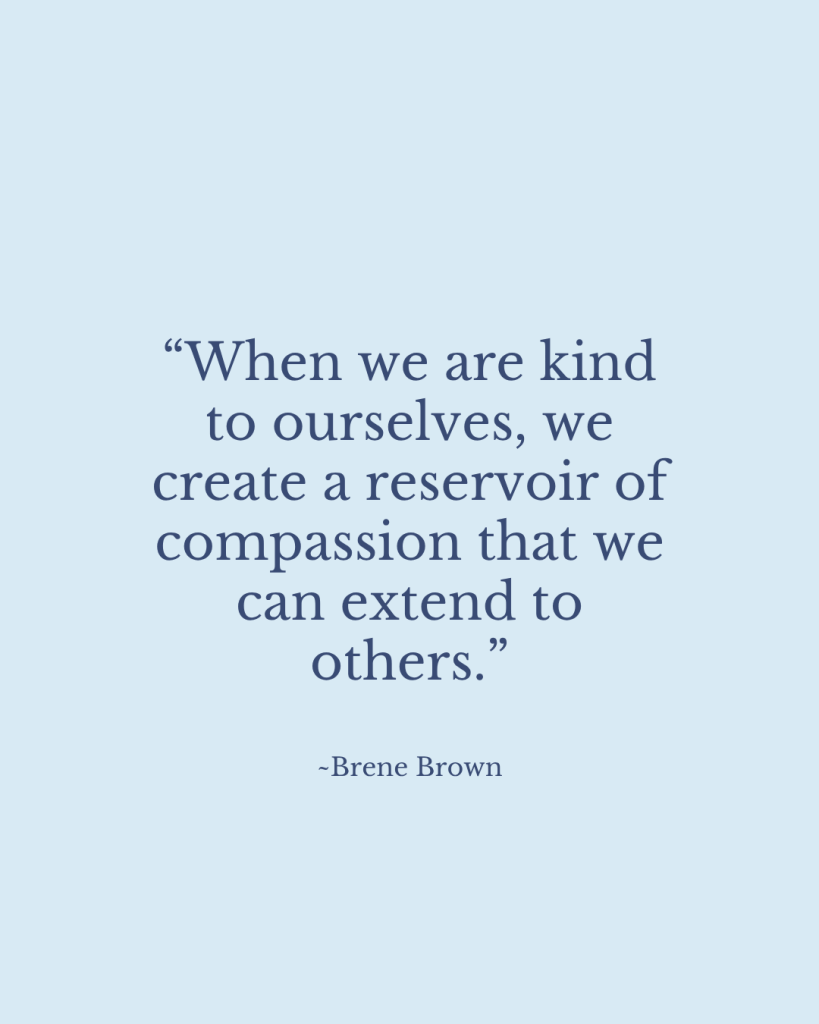
Each person’s most important task is to love themselves and care for themselves because every person is valuable and worthy of unconditional love. Also, it deepens our capacity to love others well. As Brene Brown says, the most compassionate people are also the most “boundaried” people (my paraphrase). The only way to sustainably give to others in healthy ways is to take care of yourself first.
We can learn from nature. A tree must consistently receive multiple forms of nourishment (sunshine, water, carbon dioxide, nutrients in the soil) in order to provide fruit and shelter for others. What a beautiful example for us to follow. Also known as the “oxygen mask” principle, prioritizing self-love would create more healthy and thriving people and relationships, families and communities.


How are self-love and selfishness different?
Selfishness devalues others, seeking what is one’s best interest at the expense of others or with a disregard for others’ feelings and/or well-being. Selfishness neglects and harms others and prevents truly healthy relationships. Since we are wired for healthy relationships and selfishness wreaks havoc on relationships, self-love and selfishness are not compatible.
A side note and conversation for another time: Bullies and abusers don’t actually love themselves well. They love control, image and power because of their core wounds; however, they don’t actually love themselves because loving oneself naturally overflows into loving others.
How are self-love and selflessness different?
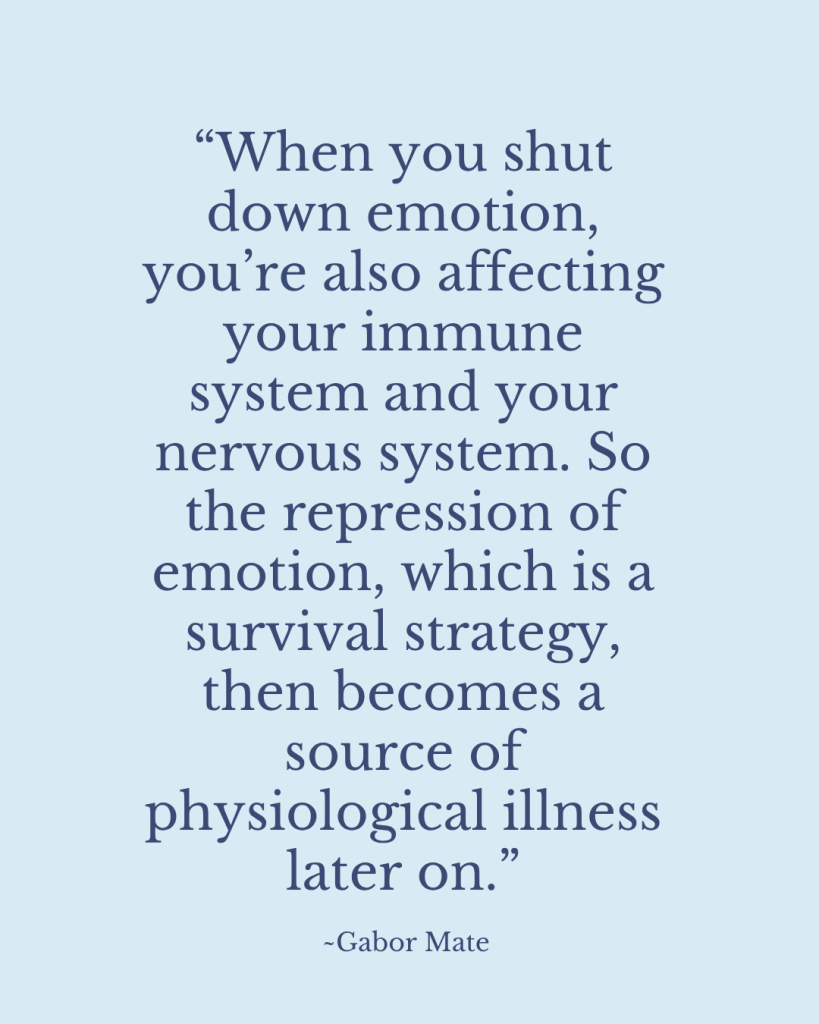
True intimacy involves being fully known and fully loved. Selflessness (by definition) devalues oneself, diminishing one’s desires, needs and voice. When we devalue and suppress our thoughts, desires and feelings, we are not letting our authentic selves be known. When someone devalues themselves, they do not establish healthy boundaries. When we don’t protect ourselves in healthy ways, it provides fertile soil for resentment, abuse and neglect to thrive. In addition to not being fully known and respected due to “selflessness” and lack of boundaries, it can also lead to fatigue and chronic illness. When we don’t know how to say “no”, our bodies will eventually say “no” for our own preservation (Gabor Mate is a great resource on this). For anyone who has experienced burn-out, you likely know this to be true from your lived experience.
“Love your neighbor as yourself” is a common theme in many major religions. However, careful attention should be paid to the words in the phrase and the stories that exemplify this: “love your neighbor AS yourself” does not mean “more than yourself” nor “at the expense of yourself.” If you are consistently selfless, that means that you are abandoning yourself which violates this law of love.
** A note on parenting and society’s traditional expectations of caregivers (often women): In parenting and relationships to others, there can be a certain amount of self-sacrifice needed. However, sustained self-sacrifice without self-love and self-care prevents healthy relationships just as selfishness does. New parents and other caregivers must prioritize self-care: take breaks; invest in activities that provide joy and restoration; practice healthy boundaries; ask for and receive support from partners, friends and/or family.
Self-love and the body’s messages
Selfishness is more obvious in how it harms relationships; selflessness creates harm in more subtle ways. Both can create disconnection from your own intuition and body.
An important piece of self-love and self-care includes noticing your emotions and body’s messages. Your emotions send messages to your body, much like a car has warning lights displayed on the dashboard. One can only ignore the little signs for so long before bigger problems occur. The damage to our minds and bodies by lack of self-love doesn’t happen overnight; there are daily signals that many ignore or dismiss. This is why therapists might encourage people to notice where they “feel things” in their bodies. Learning to tap into these messages helps people to make adjustments as needed to benefit their mental, emotional, physical and relational health.
Self-love and boundaries
A humbling and empowering reality is this: experiences don’t just happen “to us,” they happen “through us” (paraphrase of Katherine Woodward). If we consistently defer to others’ desires, others learn to devalue us. If we want others to value us, we must value ourselves as well. When we don’t communicate our desires, they probably won’t be fulfilled. Likewise, when we don’t communicate our boundaries, they are likely to be violated. We have the power to shift our realities as we take ownership for the part we play in relational dynamics and patterns of our lives.
Authentic love comes from a full cup of self-love rather than conflict avoidance and/or need for approval. When we truly love ourselves, and put on our own oxygen mask, then we are better equipped to love others from a sustainable position of strength versus perpetual depletion.
Tips and ideas for prioritizing and practicing self-love:
* Find a trauma-informed and attachment based therapist who can help you uncover the roots of obstacles to healthy self-love, process trauma and with whom you can also experience being fully known and fully accepted.
* Nourish yourself as a whole person daily: spiritually, physically, emotionally. (Exercising daily but neglecting your soul, focusing on spiritual practices and yet neglecting your physical health, or maintaining friendships but neglecting your sleep are all imbalanced and will be problematic).
* Practice positive self-talk – Talk to and about yourself with kindness, gentleness and encouragement. Notice and try to eliminate self-deprecating jokes.
* Set boundaries – Protect your time, body, energy, and well-being by saying “no” when necessary.
* Practice self-compassion – Embrace yourself fully, including imperfections, without judgment. Forgive yourself for mistakes, and seek to learn from them.
* Learn your love languages – learn how to give to yourself in these ways, filling your own love bucket daily (ex: list 3-5 things you desire from others, and commit to give these to yourself on a regular basis.)
*Nervous system regulation – Recognize your body’s cues of stress, overwhelm and/for need for a reset. Box breathing, butterfly tapping, grounding, humming, breaks from screens, spending time in nature, twisting and other polyvagal exercises are great options.
*Read books and/or follow authors on self-love (some suggestions include Kristen Neff, Gabor Mate, Brene Brown).
*Read/listen to books on boundaries and healthy anger (such as Dance of Anger by Harriet Lerner and Boundaries by Cloud).
* Cultivate mutually life-giving friendships where you can experience being fully known and fully loved while also fully knowing and loving others.
In conclusion, my hope is that you will:
1- Start to celebrate the ways you already do love and care for yourself well, and notice how that gratitude feels in your body in those moments.
2- Notice and appreciate how self-love and self-care impacts your connection with others. Notice where you feel that in your body, too.
3- Get curious and notice any ways that you could love and care for yourself better, perhaps using the ideas above. Journal and ideally share with a trusted loved one and/or therapist.
4- Check in with yourself daily and weekly with regard to your self-love intentions. Focus on progress, not perfection!
You deserve to have a rich, caring, mindful and fulfilling relationship with yourself. Furthermore, everyone in your life will benefit from you loving yourself well. You may never realize the impact your self-love has, even in ripple effects, on the world around you.